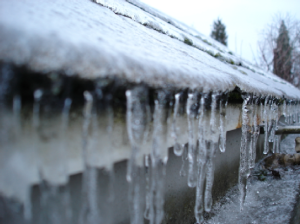

basement waterproofing

WSIB Covered Basement Contractors Ontario

Insurance and income tax are said to be among mankind’s greatest grudge expenses. They seldom seem to provide the benefits to match their cost. That’s why we try to put off settling those bills for as long as possible, and do our best to cut them back to the minimum. Sometimes it seems we’re hoping they’ll go away.

The problem with computers is that we are becoming far too used to having an undo button, and that’s spreading beyond our keyboards too. However time machines do not exist, the revenue service has a habit of getting its way, and medical bills for accident injuries have become outrageously expensive.

Ontario WSIB for Waterproofing Companies

Accidents Will Happen

Work-based accidents in Ontario are still surprisingly common.  Power tools (and the fact that some contractors work alone on jobs in order to remain competitive) ensure this. When an uninsured worker is hurt, the costs of emergency transportation, surgery, after care, rehabilitation and temporary loss of income are horrendous. An uninsured worker, if not covered by their waterproofing contractor company, will either have to pay their own medical bills or look to other liable parties for to pay for medical costs.  Those liable persons can be the homeowner where the work was being performed.

So the question is, are you comfortable getting sued by a worker because their employer does not carry the required insurance?  You may say that couldn’t happen, but it happens every day.  Lawyers look for the person who carries the most insurance and liability, and that person is the homeowner when it comes to workplace accidents on their property.

WSIB Insurance

Until the Ontario Workman’s Safety and Insurance Board introduced its accident insurance scheme, local contractors and employers were both at risk. Contractors who do not enjoy the Board’s accident coverage and do not employ other means of workplace employment still face their costs of injury alone. However they also have the right to sue their customers – and some successfully do. It is not only their homes that sometimes have to be sold.

But Isn’t this Coverage Automatic?

It’s supposed to be. However a contractor still has to register with the WSIB and pay an annual fee. Some waterproofing contractors may take the risk of not being insured to save money (and try and undercut reputable companies who carry the necessary insurance), while some think they can’t afford it or for the employees they hire. Others simply forget.

A related problem is that some employers either don’t know about Ontario’s WSIB insurance, or just assume that everything’s under control. When that happens, both parties are literally surfing naked on a potential time bomb, if you’ll excuse the mixed analogy.

What If a Contractor is Injured on my property as a homeowner?

The law requires that you as the homeowner take reasonable steps to minimize the effects of injury, and ensure the individual receives the necessary attention. After that, your involvement should be over. Unless, of course, a lawyer thinks they can prove your negligence. In the latter case the legal bills alone could break you.

How Can I be Sure a contractor has proper coverage?

Ask to see a waterproofing company’s Ontario WSIB clearance number, which is now valid for ninety days. If they’re not insured, think twice before you hire them. It’s simply not worth the risk. There are many waterproofing companies operating in Toronto with very little insurance or none at all.  They operate out of the back of their van and charge low rates because they are taking big risks for themselves, their workers and you the homeowner.  These same waterproofing companies will offer generous warranties, knowing full well they have no intention (or means) of hounoring them.  If they’ve forgotten it (or think they’re covered), the WSIB website is able to provide instant confirmation online.

If you really want to hire a waterproofing contractor but the insurance angle isn’t crystal clear, then this should be your first port of call. After all, it costs you nothing yet could and will prevent you from potential liability if an injury occurs on your property.
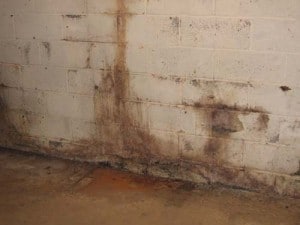
 

wet basements richmond hillI’ve always believed that the only way to fix a water leak is at its source. This applies as much to kettles as it does to car pumps. If you have a wet basement the same logic applies. It’s pointless to even begin to think of drying it out, until you’ve found a way to stop what’s causing the wet conditions in your basement.

Toronto is famous for having wet basements, the extreme weather changes, rain/snow and aging foundations makes it the perfect candidate for water leaks.

That’s not to say that you shouldn’t take preventative action to protect your assets stored down there, there are several things you can do to curtail the situation and keep the environment safe down there. This does not only make sense, it’s also imperative, because your insurance company will most likely not pay out if they conclude that you didn’t take reasonable steps to curtail the problem.

Possible Causes of Your Problem

  • If your wet basement problem develops suddenly, then something must have changed. The most likely possibility is that rainwater has found a way to saturate it from the outside. Typical causes include overflowing gutters immediately above it, a faulty irrigation system you just put in, something you or your neighbour did to change the flow of surface water, or the failure of surface water-proofing.


These are often problems that you could solve yourself, perhaps with assistance from your garden service, or the local handyperson. Of course, it will take time for your basement to dry out. However, you can speed up the process by switching on electric fans, and turning the central heating up to maximum down there.


  • If you’ve noticed your wet basement getting steadily worse as years pass, then you’re likely faced with a subsurface water problem that needs an expert to address it. Possibilities include:


a)    Failure of existing French drains / weeping tile systems caused by tree roots and eventual blockage


b)    A rising water table as a consequence of global warming, leading to hydrostatic pressure against the wall and floors


c)    Failure of a window well through aging, or a stoppage in its underground drainage system


d)    Back-pressure on your sewerage line as a result of cracked pipes or an overloaded municipal system.

These wet basement problems are generally beyond the ability of the average householder, who would be wiser to call in a professional waterproofing contractor. At least that way you have a guarantee that what is done will work, and that you are not applying untested skills learned “on the hop”.

Consequences of Doing Nothing

The cement products that hold your foundations and walls together will ultimately fail if there’s water continually filtering through them. When that happens, partial or complete demolition and re-building may be the only option you could have left.

If you wish to protect your basement from long-term degradation, then you should consider calling in a firm that’s an expert in dealing with a wet basements.


There’s inevitably water in the ground around a basement, and, because cement-based walls and floors are porous, water will seep through them if it can go nowhere else. This water could be from rain filtering downwards, groundwater seeping horizontally through the strata, or a water table pressing upwards.

Here in Toronto, many basements have chronic water problems and there are several solutions to cure the condition, depending on the type of water problem present.  While we usually recommend an exterior approach to waterproofing, sometimes that is not an option.  In that situation, installing an interior weeping tile system in your basement can be a safe and proven alternative.

When this water comes up against a basement wall or floor, it applies hydrostatic pressure that can be surprisingly powerful. If it can’t find a way through, it pools against the outside bottom of the basement walls, and gradually saturates the inside surface if there’s nowhere else to go.  While an interior weeping tile system will not waterproof your basement, will will effectively manage the water entering your basement and channel it away so you never see it.

Exterior Weeping Tilesinstalling interior weeping tile

The traditional method of preventing this is to install a drainage system along the outside bottom of the basement walls. These days this comprises of a plastic pipe typically 40mm in diameter and with holes punched into it along the length. This is wrapped in a water-permeable sheet to keep the dirt out, and then buried at a gently sloping angle leading to a discharge point.

Unfortunately these “weeping tiles” as they are called (the name’s a reference to past building practice) may become clogged as time passes. When that happens, the ground water switches to “Plan B” – that is, it accumulates until the hydrostatic pressure is high enough to find a way into the basement.

What to Do About the Water

Gravel to fill in weeping tile system in Toronto home

You cannot keep water back from the inside of a basement, at least not permanently. This means you either have to excavate, and replace the failed exterior weeping tiles or you have to allow the water to seep through, and then remove it continuously. Canadian homeowners often view the latter as the better of two evils. That’s okay, as long as you’re not using your basement as a living space.

This is obviously not an ideal solution. In fact we recommend you replace the outside system if all possible. Unfortunately, sometimes accessing the outside perimeter of a basement isn’t possible, that’s when an interior weeping tile system comes into play. Installing an interior weeping tile system isn’t a DIY project, as you can see from the steps below.

STEP 1: Break out a trench all around the room. This needs to be around eighteen inches from the walls, and to bottom out below the footings.
STEP 2: Lay in the weeping tile as we described, cover it with gravel and re-pour the floor

STEP 3: Create a sump at the bottom end of the run of weeping tile, and install an automatic electric sump pump to carry the water away before it overflows. Fit a lid so it looks a tidier.


How It Works

Finished weeping tile system in Toronto basement

Water always gravitates down to the lowest point. The weeping tiles attract it like a magnet. It’s taken away before it rises to above the footings. The result’s a perfectly dry basement inside, provided you hired a professional who’s registered, and knows what they are doing. While installing an interior weeping tile system is not the ideal solution for a dry basement, it’s great alternative when an exterior system is not available.

If you live in Toronto or the surrounding GTA and have questions about installing an interior weeping tile system, you can contact Nusite waterproofing today.  We offer a free in-home estimate and inspection of your basement and will work with you to choose the best waterproofing solution for your home and your budget.

With the harsh winter we had here in Toronto, the Spring melt is looking to be a big one and create a lot of wet basements an the GTA.  The busiest season for a waterproofing company is in the Spring when two things happens – The snow starts to melt and the Spring rains come.

So with all of this water trying to get into your basement, how do you fix some of those wet basement problems?


Get Your Mold Prone Valuables Out Of The Basement

Your floors, carpets, walls, furniture and irreplaceable storage items can easily be damaged due to water in your basement and it could result in mold pretty quickly. If you’ve experienced a flooded basement it’s important to determine if it’s just a one-time occurrence or if it’s something that may happen again. You’ll need to decide if you can leave your belongings downstairs once the water has been removed or if you better transfer everything upstairs where it’s safe and dry.

To do this you’ll need to investigate the situation and determine where the water came from and how it entered the basement. If there isn’t any noticeable flooding in your neighbourhood there may be other possible reasons for the water problem.

It could be surface water which is running down your foundation walls or it may be groundwater that has saturated into the soil and is being forced into your basement via hydrostatic pressure. In addition, water from storm sewers may back up and place water in the perimeter foundation drain, which can then leak into your basement. Another cause could be sanitary-sewer water which enters your home due to a clog in the municipal sewer line or the home’s sewer line. This could result in sewer water entering the home through lower-level floor and sink drains.

Each of these causes requires a different solution.  For some minor issues you may be able to fix it yourself, but for others you may need to enlist the help of a professional waterproofing company to diagnose the problem and fix it permanently.

Check for Surface Water

If this is the first time your basement has flooded you should look for surface water which could be draining down next to the home’s foundation. If the water is coming in at the exterior foundation only or in just one location then the problems are being caused by surface water. You may notice your gutters are filled with leaves or are overflowing and this is why it’s important to keep them as clean as possible. You can check for problems by checking the gutters after heavy rainfall of about 15 minutes. If the gutters are overflowing then there’s a problem somewhere along the line. The overflow of water can run down to the foundations or erode the soil and may crack the ceilings and/or walls. The best solution for this is to add another downspout which can back up the original downspout if it’s blocked.

If you can’t locate any surface water then the likely source is subsurface groundwater which is under hydrostatic pressure. If the groundwater rises above the floor then the basement can allow water in through holes and cracks. Regardless of where the water is coming from, the best way to control the problem is to install a form of perimeter drain system which can relieve the hydrostatic pressure. The groundwater will be forced into the drain system and into a sump pit which allows a sump pump to discharge it.

Distance of Downspouts

The recommended extension of a downspout is a minimum 10 feet from the home as this will disperse the water far enough from the foundation. Make sure paving doesn’t slope towards the home and if it does, it should be replaced so it slopes away from the house and make sure the pavement is properly sealed. The land surrounding your home should also slope away from it so water drains away. If there are hills which slope towards the home it’s a good idea to contact a waterproofing business. Also, be sure you don’t place any lawn irrigation systems next to your home if possible and don’t activate it if there has already been enough rainfall.

Sewer System

If there’s too much rainwater in a sewer system it can flow back into your home. This can usually be solved by an interior perimeter basement drain system which is then connected to a sump pump. If this doesn’t work it’s recommended that you get help from a professional waterproofing firm.

Sanitary-Sewer Water

If water is entering the home through sink and/or floor drains it could be coming from the city’s sanitary sewer system. The system is often overwhelmed during rain storms and it can back up into your home. In addition, a sewer backup may be caused by an individual service line which is plugged with debris. Since this is hard to control it could be a health hazard if waste enters your home. To make sure your individual lines remain clear a backflow preventer can be installed to make sure sewer water doesn’t flow into your home.

A flooded basement can range anywhere between a minor aggravation and a major problem. If you think you need to have a professional waterproofing company investigate your wet basement issues, contact us here for a free estimate and inspection.  We service Toronto and the surrounding GTA.

Frozen gutters in Toronto home that is meltingToronto definitely gets its fair share of snowfall during the winter months and it can sometimes cause an even bigger problem in the spring when it thaws. There’s no doubt that heavy rains can cause a basement to flood and unfortunately so can melting snow.
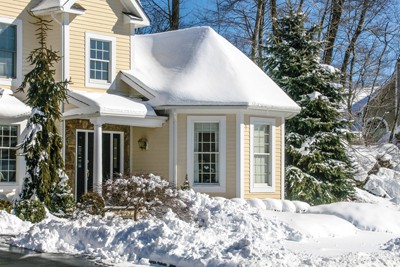
One of the keys to keeping rain and melting snow out of your basement is making sure your roof gutters are clean and the downspouts are extended away from the house. In addition, it’s a good idea to landscape your yard so there’s a grading which allows water to run away from the home. If there’s a grade towards the house the water is going to flow that way and it can leak into the home.

Snow Melts Even During Winter

Homeowners need to be aware that snow can also melt in the middle of a Toronto winter if the temperature is warm enough. It doesn’t necessarily happen in the springtime only. When snow thaws in the winter the frozen surface ground can sometimes make the problem worse. Regardless of when the snow melts, the water has to find somewhere to go and you need to make sure that place isn’t your basement. Experts have calculated that 10 inches of powdery snow produces about an inch of water when it melts. However, more water will result from wetter and heavier snow.

Melting Snow Produces alot Of Water

When we do the math we can see that an inch of water over 1,000 square feet is equal to 600 gallons. This means there may be several thousand gallons of water around your home when the snow melts. When the weather is warmer and the soil has thawed most of the water will soak into it. This isn’t the greatest situation either, but it’s better than having the water on top of a frozen surface looking for somewhere else to go. Typically, some of the water will eventually travel along the foundation walls of your home and end up in the basement.

House with melting snow on roof in Toronto

Water can seep into the cellar through non-structural cracks that can be found in concrete walls as well as via any deteriorated mortar joints that are present in masonry walls.  In addition, water could leak into the house through window wells that have been poorly fitted and any utility openings that aren’t properly sealed. If the soil has thawed and water penetrates into it far enough, it can enter the home through the cove joint and/or cracks in the floor.

Diverting water away from the foundation of your house is the best way to reduce the chance of a leaking basement,  But if you have a compromised foundation, water leaks may be inevitable.

After proper water management, the best way to keep melting snow and rain out of your basement is to locate a local waterproofing contractor. It’s always better to waterproof the basement before it floods and a good contractor can help prevent it from happening in the future. At Nusite Waterproofing we’ve been servicing both residential and commercial buildings in the Toronto area for well over a combined 50 years. If you’ve experienced a flooded or leaky basement in the past or want to protect yourself from it happening in the future, feel free to contact us for a free estimate and advice.

There are several other ways water can enter the basement and we’ll make sure you’re aware of these. For example, if you have a sump pump the discharge lines could be frozen or blocked at the exit point. Also, window well drains could become clogged and this results in pools of water outside your basement windows. However, with the proper precautions we can help you avoid any water damage to your home.  Be aware that any type of basement flooding in normal circumstances will be much worse during a heavy rainfall and spring thaw.