
basement waterproofing

Water leaking in your basement is at best an annoyance and a cause of worry, and at worst a threat to your home and to the health of you and your family due to the negative effects of persistent water leaks.  If a water leak is left untreated, water damage to you foundation can occur as well as the development of mold in the home.

It’s important to understand that there are many possible causes for water getting into your basement. Unfortunately, here in Toronto, we have ideal conditions for basement water leaks – lots of wet weather, high water tables and aging foundations.

Here are some of the key causes of water entering your basement:

1. Structural cracks

Concrete foundations are not resistant to cracks.  Cracks in the foundation can be caused by soil settling around the foundation or by movement in the house’s walls.  Once a crack in the foundation has formed it can be quite difficult and expensive to fix.  Prolonged water leaks can expand the cracks and deteriorate the foundation over time.

Horizontal crack in Toronto foundation home

Horizontal Crack

2. Where your four walls meet

The outer perimeter of your house is composed of a thick slab of concrete called a footing.  This footing is poured into a wooden form and a little indentation or channel is thus formed.  This is called a keyway.  The foundation walls are then formed perpendicular to the footings, filling this channel, the keyway.  This forms a little mechanism for holding the foundation walls and footings together snugly, with little or no lateral movement.  The problem comes from the fact that you have two distinct structures, and they are not perfectly bound to one another.  This allows seepage of water from the soil.

Similarly, you have the place where your basement’s floor meets the foundation floor.  The small gap here is called the “cove joint”, it is also a vulnerable location for water seepage.

3. Stairways

You may have an old-fashioned hatchway structure, or a standard stairway going into your basement.  In either case, you may experience cracks.  In general, the connection of a stairway to the structure of your home and basement often creates vulnerable spots for water accumulation.  Add it any significant grading or slope and the problem can be made far worse.

window wells are a source of basement water leaks

4. Windows

Like stairways, windows built into your basement walls can be common culprits of water leakage into your home. Window wells that do not have proper drainage can cause pooling around your foundation and cause water to leak into your basement from cracks around your basement window. The issue here is where the water is being directed,  water should always be routed away from any windows and the foundation wall.

5. Defects with gutters and downspouts

Your gutter system can often cause water problems for your basement.  Making sure your downspout is in working order and it has an extension carrying water away for your home is critically important when attempting to keep your basement dry.

clogged rain gutters in toronto

6. Defective Sump Pit/Drain Tile

The sump pit, beneath your basement, is generally fitted with a pump that is meant to transport water to the ground surface outside the foundation wall.  Many things can cause this system to fail, such as poor installation, a poor drain pipe, or a broken connection between the drain pipe and the sump pump.

Sump pump installed in Toronto home

7. Water rising over a low foundation wall

Your home might be situated in a way that causes water to be able to make it over the foundation wall.  Shorter walls, particularly at a place where runoff from some elevation is present, are a big culprit here.
Water leaking into your basement can be an annoying and persistent problem.  It is important to properly identify the source of you water trouble and consult a qualified expert immediately.  A littler water may not seem like a big deal initially, however left untreated a little problem can easily turn into a large problem.

If you live in Toronto or the surrounding GTA and have water or foundation issues with your home, feel free to contact us here for a free in-home estimate and inspection.

 

Sump Pump Program Toronto

We install a lot of sumps pumps here in Toronto.  They are usually the last line of defense to stop a flooded basement and choosing the right one for your basement is an important decision.

If you’re having repeated bouts of water leaking into your basement, a sump pump is probably the first step to a remedy.  Conversely, water through foundation cracks or basement window that don’t close properly are signs of a problem with your foundation, needing a complete cure.  And if your water troubles are minor and infrequent, you may not need a pump.

A sump pump is a sort of body guard for your basement.  It is there to head the water off, trap it, and get rid of it.  It’s almost like living on a mound with the sloping land all around directing the rain away.  A sump pump sits in a little hole dug for it in the basement’s floor—the sump pit.  If water enters the pit, the rising water level trips a switch that turns the pump on, which escorts the water out through a drain pipe.

Varieties of Pumps

Submersible – This one is the Cadillac.  These are installed under your basement (in the pit) as described above.  They are made from zinc, bronze, stainless steel or cast iron, and the best models can pump up to 7,000 GPH, gallons per hour.  You’ll likely get a good 25 years or more from your submersible.  Go with this design unless you absolutely can’t afford it.

Pedestal ­- This is your average used sedan.  These actually sit above the pump and may serve you only about 10-15 years.  They’re generally not as powerful, and it’s the cost that causes most people to choose them.  Some buyers are attracted to the idea that the motor, up above the water itself, should not face the threat of damage.

Criteria

Once you’ve chosen the type of pump to go with, let’s look at the factors to consider when shopping.  The biggest ones are: horsepower, switch quality, pumping capacity, quality of construction

1. Horsepower

Hooking an actual horse up to the pump will get the animal cruelty people out to your place so fast you won’t believe it.  So you’ll have to settle for a bit less.  Pumps are usually sold in small increments of 1/2 hp, 1/3 or 1/4, which gives you plenty of flexibility.

Basically, the 1/4 hp variety is for a household that isn’t having water problems at all, but just wants a no-nonsense approach to stopping any possible threat.  If you live in a low-rainfall area, this is for you.

1/3 hp is a good option for folks whose foundation is at or above the water table, and who live in areas with average rainfall.  The majority of you will probably go with this option.

The 1/2 hp is for a house in a low-lying area or one that is susceptible to high quantities of water for any reason.


2. Switch Quality

You probably wouldn’t buy a car without researching the engine or a golf club whose head design you don’t like.  As we mentioned above, the switch is activated by the water level, and it makes the pump act.  Therefore, dazzle your local store employee by going in with some knowledge of the different kind of pumps.

Electronic – These switches are powered by electronic sensors.  Electronic vs. mechanical means less worry about physical parts that can wear out.  Word has it that sometimes these switches can outlast the pump itself, sometimes working for more than a million cycles.

Float –These are fairly common.  The floating mechanism sometimes moves up and down on a rod.  As outlined above, it’s the floating mechanism that detects rising water and turns on the pump mechanism.  As you can guess, this set-up can require occasional maintenance—switch failure is probably the most common problem with sump pumps.  While a good float switch is just fine, you may try to go electronic when possible.

Diaphragm – These use water pressure to alert the pump to water.  Some varieties of these are adjustable, while some are not.  That’s something to give serious consideration.


3. Pumping Capacity

How much water the pump can handle is pretty important, particularly if you live in an area with flood threats.  There’s probably no reason to monkey around with a product that lists a max capacity of less than 3,000 GPH.  You should also see a listing of “flow at 10’ lift” and you’ll want one with as high a ratio of this to maximum capacity as possible.  This is affected by the length of the discard pipe.


4. Quality of Construction

Your sump pump is made up the housing, which is the outer shell of the machine; the impeller, a small motor at the bottom of the rod that runs the machine’s center and activates the pump, and the cover.

Naturally, you’ll want the housing to be as strong and durable as possible.  Cast iron or bronze are the best materials.  Thermoplastic materials are good for housing since they are non-corrosive.  But be sure not to buy a pump with internal materials made of thermoplast.  These are not good alternatives to stainless steel and other heavy-duty material.

Choose a quality sump pump and contractor 

To conclude, many sump pumps come with warranties and quality of pumps can vary.   You can purchase a sump pump from your local hardware store, though you may need some expertise when it comes to choosing and installing the one that is right for your situation.  Sump pumps don’t last forever and require some maintenance to get the most out of it.  It’s usually your last line of defense when it comes to having a dry basement or a flooded basement, so it’s important to choose and install the right one.

If you live in Toronto or the surrounding GTA, feel free to contact us here with any sump pump or basement waterproofing questions you may have.

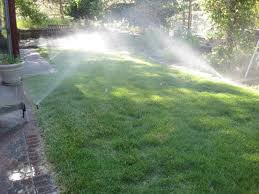
Water leak from unground sprinkler systemHeavy rains that cause flooded yards, surface runoff and even leaking sprinkler systems from coming from you neighbour’s yard can cause your basement or crawlspace to flood.
Surface Water Runoff/Flooding

It happens from time to time, a neighbour changes their landscaping in some way or grades their property to where it slopes toward your home.  Sometimes the homeowner hasn’t made any changes; heavy rains can cause erosion that can change the course of the water runoff.  It is possible that your neighbour’s yard can make your yard flood and even flood your basement or crawlspace.


Sprinkler Systems

Contact your neighbour and let them know their sprinkler system is running overtime or causing your property to flood.  Sprinklers are not considered to be weather related and the neighbor could be liable.


Downspout Extensions

This situation can typically be addressed by just asking your neighbor to redirect the downspout away from your property.  Many times others do the work and the homeowner may not even be aware that the downspout is routed away from their yard and directly into yours.  Sometimes the downspouts can even be routed out to street drainage.

 cracks in troughs can lead to basement leaks

Lower Homeowners Beware!

In the past, many court systems have treated heavy or excessive rainwater flooding as a common enemy and as kind of a homeowner beware situation.  Homeowners were and are expected to protect their own property.  This type of flooding is not due to any type of carelessness but if you are the homeowner living on the lower lot, you should prepare for these types of rains and protect your property through protecting your basement as well as diverting the water.  Don’t wait until heavy rains cause a problem, if you know you’re home is lower ground, be prepared.

 Landscape grading toronto

Due Diligence

If you know that your property is lower and is at risk for this type of drainage/flooding issue, there are some things you can do to be proactive.  French drains around your home can help.  If you have a garage that is lower level, you may want to consider installing some trench drainage just outside the garage door.  Especially if your driveway slopes downs toward your garage door and home.  Runoff from the street can also run down your driveway and right into your garage, leaving a huge mess.

We see all too frequently homeowners who spend hours sweeping out water or shop vacuuming it up as quickly as it comes in.  A waterproofing contractor can help you address and repair this type of flooding.  Here’s a tip for you, when the heavy rains come, lots of basements get flooded and we get typically get inundated with calls, the best time to call a waterproofing company is when it’s dry and sunny outside.


Landscaping

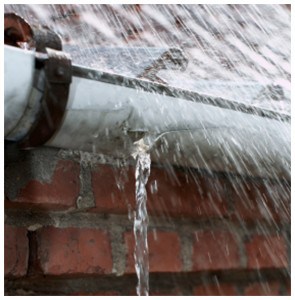
It isn’t just changes in your neighbour’s yard that can cause your yard and home to flood, changes you make can cause your home to flood when it never has before.  Removal of a tree with a large root system or addition of shrubs and trees can change the way the drainage runs off.  Homeowners sometimes all their gutters to clog with leaves and this changes how the water is routed away from the home.  Instead of the water routing away through a downspout and away from the home, what happens is the gutters overflow in the areas where leaves have clogged them and pour straight down in that area.  If you’ve ever walked under a clogged gutter, you’ll know exactly what we mean by the water pouring down!


Good Old Fashioned Communication

While it’s frustrating to have a leak in your home whether your basement floods, your crawlspace leaks or your garage has puddles in it, probably the best piece of advice is to let cooler heads prevail.  Your neighbour isn’t intentionally trying to flood your home and may not even know there is an issue.  As we said before, if you own the lower piece of property, it’s more likely to happen and your neighbour certainly is liable.  Perhaps a combination of you making changes to your property and talking to your neighbor about redirecting his downspout extensions may solve your problem.

It’s always best to call a professional waterproofing company to assess the situation, give an estimate and design a repair that works the best for your situation.  There’s no greater feeling than to hear thunder, lightning and rain pouring outside and know your basement home is dry : )

Have a question about ongoing flooding in your basement?  Do you suspect your neighbor’s property may be at cause?  If you live in Toronto or the surrounding GTA, feel free to contact us here for a free in-home inspection and estimate.

Summer in Toronto are great, it provides a nice relief after a long and cold winter.  When it comes to your basement, a dry summer can give you relief from the spring rains that wrecked havoc on your basement.

While the weather is still nice, it’s a good opportunity to take some time to do a perimeter inspection around you house to see if there are potential water leak problems just waiting to happen.  The last thing you want is for heavy rains in the fall start creating water leaks in your basement.  The summer is a great time to look around and see if you can be proactive in solving your basement water problems before they happen.

Your Gutters

A common cause of basement leaks is saturated soil sitting around the foundation of your home.  One of the biggest culprits of this are your gutters.  Clogged or broken downspouts cause water to fall and pool around the perimeter of your home.  If your foundation is compromised in any way, the water will eventually make its way through the path of least resistance.  During your next rainfall, make sure your gutters and downspouts are directing water far enough away from your foundation to avoid water problems.

cracks in troughs can lead to basement leaks

Landscaping

Ideally, you’d like to have the area around your foundation graded so that water runs away from your foundation instead of towards it.  Just like with gutters, an improperly pitched landscape can cause major water issues in your basement.  If you notice the theme here, channeling water away from your foundation can go a long way in keeping your basement dry.

Landscape grading toronto

Your Swimming Pool and Sprinkler System

If you have an underground pump for your swimming pool or an underground sprinkler system, check them to be sure they are not leaking water.  Jon Portland from Discount Pool Supply says that a leak from a pool pump or hose, over the course of a summer, can totally saturate the soil around your home and even your neighbours if the are close by.  Do an inspection and make sure you’re not leaking water into the soil around your foundation from your pool system or underground sprinklers.

Discount-Pool-supply

Window Wells

Basement windows are a common cause of basement leaks.  Cracks, settling and worn caulking around the window makes for an easy target for water entering your basement.  If your basement window has a window well, do an inspection to be sure water is not pooling in the well after it rains and that it is draining properly.  If your window well doesn’t have a drainage system in place, consider having one installed so that rainwater is channeled away from your foundation instead of pooling up against it as is the case with a clogged window well.

window well in Toronto basement

Your Neighbours

Some of the neighborhoods here in Toronto and the GTA are congested.  Some areas leave little room between houses.  You may have done a great job keeping water away from your foundation, but your neighbour may not have.  In the case of swimming pool pumps, we solved a customers basement leak mystery when we discovered their neighbours water pump was leaking profusely and causing the soil on the side of their house to become saturated.  When it rained, this saturated soil became a lake, causing our customer’s basement to leak.  Take a look at your neighbours and see if they have any of the water issues discussed here and if they may affect your home in the process.

Nosey neighbors-dog looking over fence

Be proactive!

This whole inspection should take less than an hour and can save you some major headaches once the fall rains come and the snow follows.  Most basement leaks can be avoided by being proactive and taking care of your foundation and the area around it.

Have questions about a basement leak or window well?  If you live in Toronto or the GTA, contact us here for a free in-home inspection and estimate.


Cleaning a flooded basement carpetMany times a homeowner doesn’t realize they have a basement leak until it’s too late.  They discover the lake when the basement floods, when material possessions are ruined and memories are destroyed.  While it is possible sometimes that basements suddenly flood when they’ve never leaked before, often there have been symptoms and signs that are overlooked and, had they been acted upon, could have saved money, belongings and aggravation.  There are even some things a homeowner can do ahead of time to minimize their risk.
Looking for Leaky Basement Signs

Most of the time a leaky basement isn’t your first symptom.  If you have cinder block walls in your basement you may see a white powdery substance begin to appear on the walls, this is efflorescence, and many homeowners ignore this symptom and don’t realize the association with water leaks.  Efflorescence comes from  minerals in the water and if it’s working through your basement wall, that most often means there is water sitting on the outside of that wall, against those blocks and your foundation.

Protecting Your Walls

Painting your walls may visibly make the efflorescence disappear but it isn’t really going away.  Water may start seeping through that wall soon after.

In addition to a waterproof sealer that can be applied to the walls, putting up a vapor barrier or basement wall panels designed to inhibit the moisture soaking through to your basement.

White powder basment wall

Getting Rid of Odour

Another symptom that is overlooked is that damp, musty, moldy smell.  That smell can permeate the belongings in your basement, damaging them.  At the first sign of odors consider a whole house or commercial grade dehumidifier.


Water Heater Flooding

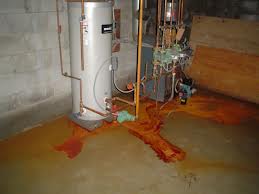
Flood rings are another proactive measure you can take.  Many homes have hot water heaters in their basement; they can leak or stop working and flood your basement, causing just as much damage as water leaking from the outside.  Flood rings are designed to warn homeowner about a leak and also containing the water temporarily until the issue can be solved.

iron bacteria in richmond hill home

Routing Away Roof Water

One of the most common causes of leaking and future structural issues is misdirected roof water.  Take a walk around your home and visibly check where your downspouts are routed to.  Do they stop at the corner of your home, right up against your foundation?  If so, they need to be routed away from your home by adding extensions to them.  It is even possible to bury the extension only leaving an exit spot 10 to 20 feet away from your home.  Placement really depends on how large your lot is as well as landscaping and proximity to other homes.  Downspout extensions are a fairly inexpensive way to prevent future issues with your home.

Ice damming on Toronto roof

Adjust the Grade

Do you have water that drips down from the top of your basement wall or creeps over and leaking through your ceiling?  Then you’ve probably changed the landscaping outside your home by adding shrubs, flowers and flower beds.  Worse yet, your neighbour may have done landscaping changes that has caused the new leak. Check where the grade is in relation to your basement walls.  If the grade sits above the top of your basement wall, it’s eventually going to come in up at the top of the wall and no matter what else you’ve done to address leaks, it will still come in and run down into your basement.  The same can be said for your crawlspace.

Adjusting the grade can also refer to the slope of the land outside your home.  Is your lot sloped down towards your home?  This can be a cause for leaks as well.  If you have a basement level garage its common for water to leak in under the garage door and you may need to consider having some trench drain installed just outside the door and have the water routed away.

 Don’t Finish Your Basement Without…..

It easy to lose count of the number of homeowners who tell us they finished without proactively waterproofing.  Wet sheetrock, ruined paneling and carpeting are no fun and a costly loss.  Don’t finish your basement without making sure your home is safe from leaking.  Call a professional waterproofing company and have them check your home to see if they notice signs of past water leakage.

Don’t Wait!

Probably the best advice in terms of being proactive about your basement is not to wait.  Don’t wait until you have a huge problem and your basement floods completely.  You’ve probably seen signs or symptoms or even had a little water in some time in the past but it doesn’t happen often or it’s only leaking in a storage area so you’re not concerned.  As professional in the business, we can tell you that these situations never get better, they tend to get worse over time and more expansive to repair.

Repair the whole area; don’t just address a portion of it that is most worrisome.  Water follows the path of least resistance so stopping only one or two areas will only send that water to another area to come in.

A small leak can turn into a bigger one and letting the leak go can not only cause damage to your belongings, it can damage the structure of your home through erosion and hydrostatic pressure as well as through mold growth.  Address the problem before they become a major inconvenience.

Have questions about a leak in your basement?  If you live in Toronto or the GTA, feel free to contact us here for a free in-home inspection and estimate.